If some treks are about testing your physical limits, Har Ki Dun is about finding your center. Nestled in the cradle of the Garhwal Himalayas, this isn't just a trail — it's a living museum of wooden architecture, Vedic legends, and alpine meadows that feel untouched by the modern clock.
"Known as the 'Valley of Gods,' this journey follows the turquoise Supin River, inviting you to trade the digital scroll for the rhythmic flow of mountain life."
Part One: A Walk Through the Living Story
🌲 The Moment — A Glimpse of the Trail
The sun was just beginning to dip behind the Swargarohini peaks, turning the snow a soft, dusty rose. We sat on a weathered wooden bridge near Osla, our boots caked in North Indian dust and our phones tucked away, forgotten. No notifications, no deadlines.
Just the sound of the Supin River crashing below and the smell of cedar woodsmoke drifting from a nearby kitchen. In that moment, looking at the thousand-year-old carvings of the village temple, we realized we weren't just trekking — we were walking through a story that started long before us.
Why Har Ki Dun Captures the Heart
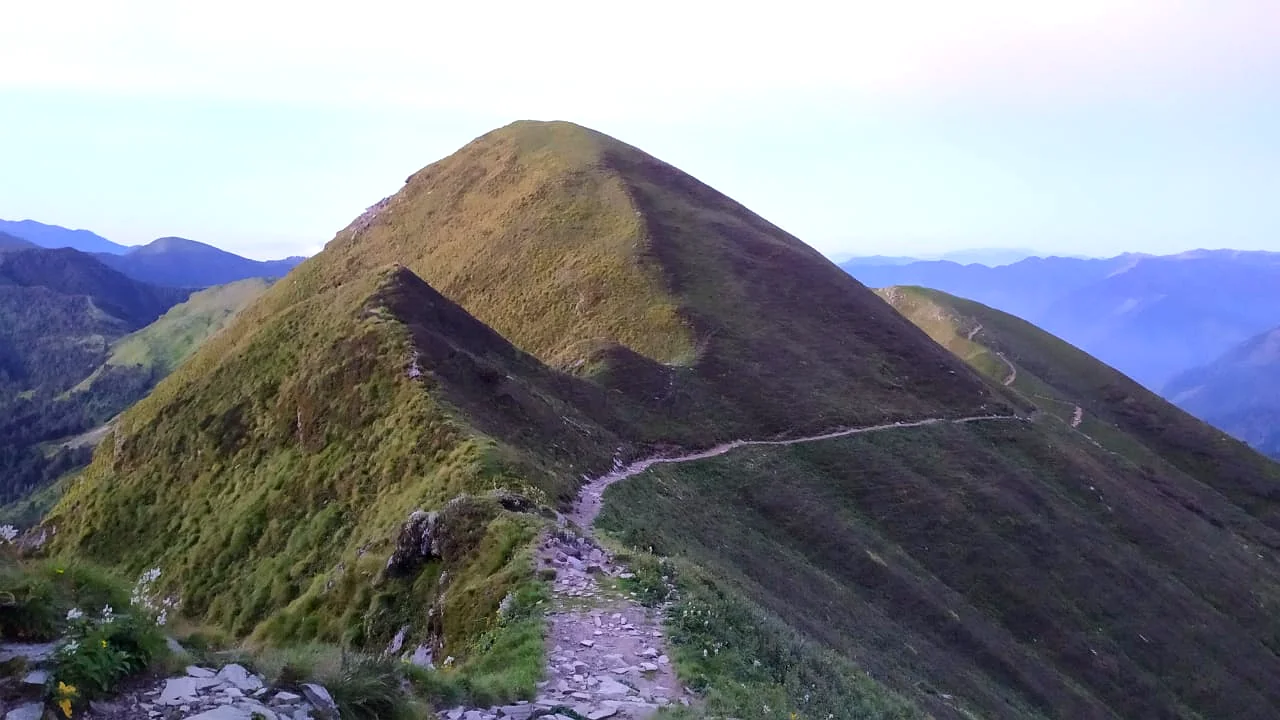
Unlike steep, breathless climbs, Har Ki Dun unfolds like a slow-burn film. You'll walk through the legendary villages of Osla and Seema, where time has stood still. The architecture — intricate wood carvings and stone — tells stories of a bygone era.
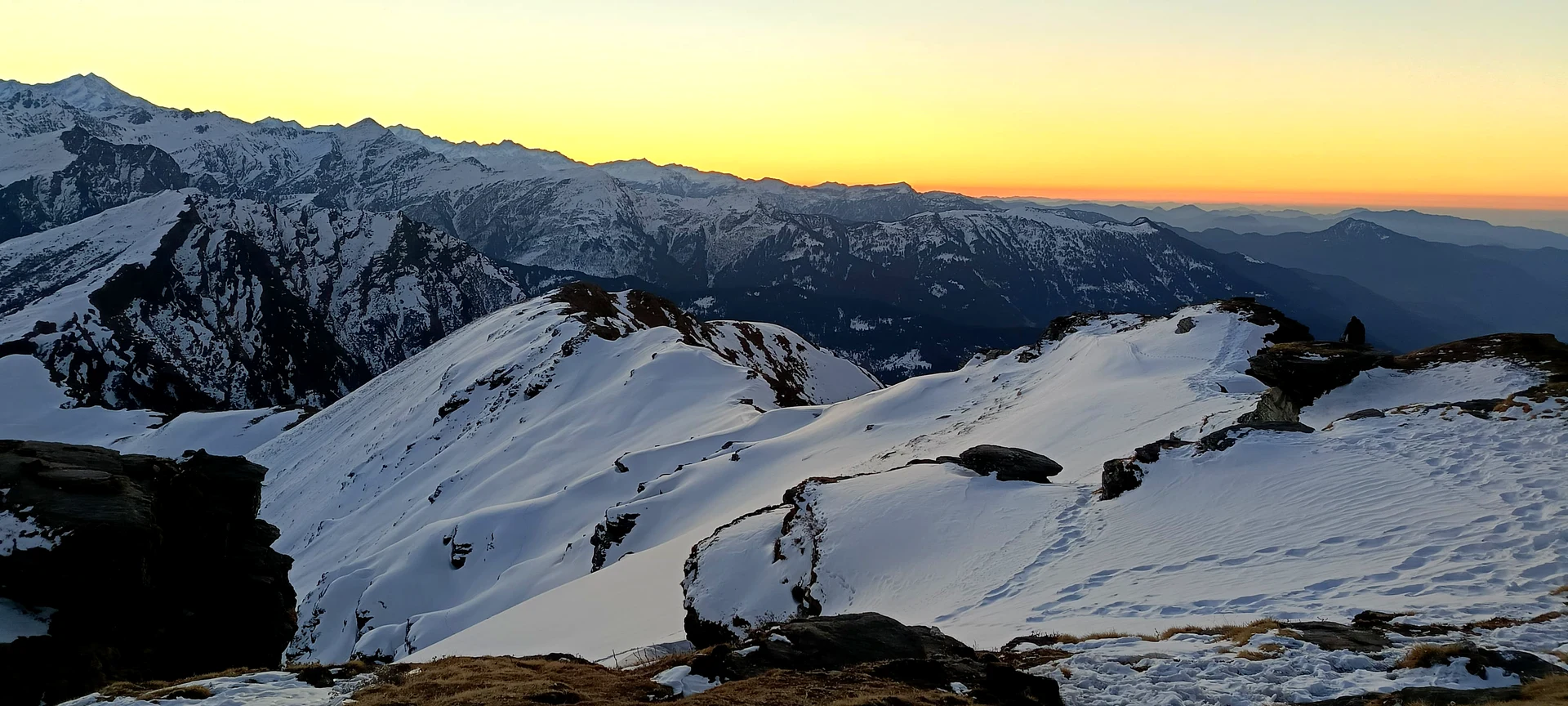
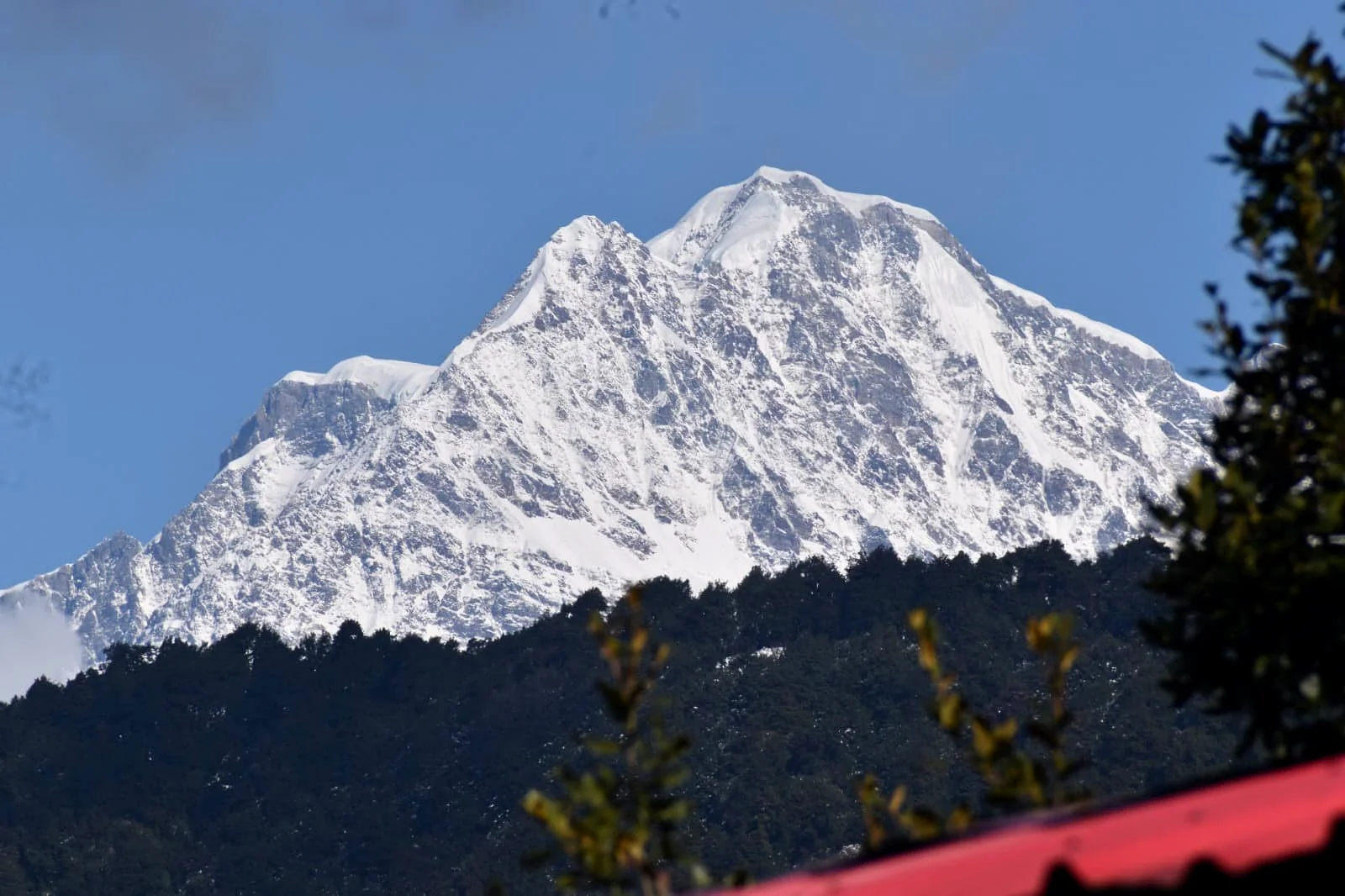
As you reach the valley, the horizons open up to reveal the massive Swargarohini peaks, the mythological "stairway to heaven." Whether it's the golden forests of Autumn or the snow-hushed silence of Winter, the landscape is a constant masterpiece.
Osla Village: A heritage hamlet with thousand-year-old temples and intricate wood carvings — one of India's finest examples of Himalayan vernacular architecture.
Supin River: A turquoise companion along most of the trail, its sound a constant, meditative presence.
Swargarohini Peaks: The "stairway to heaven" — towering massifs visible from the valley floor that lend the trek its mythological weight.
Govind Wildlife Sanctuary: Home to snow leopards, Himalayan tahr, and rare birds. Trekking here is a privilege.
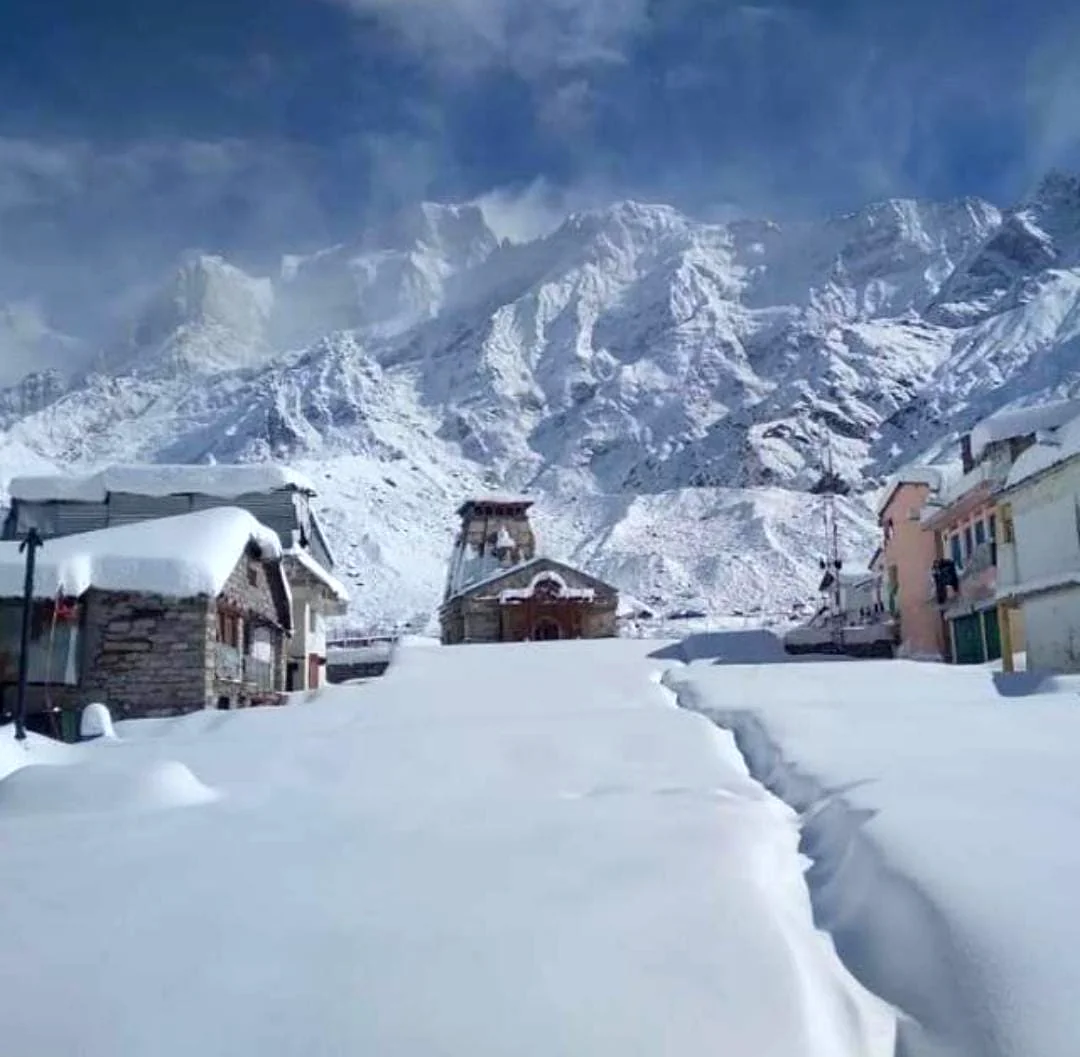
❄️ A Winter Tale — The Silent Valley
Two days later, we reached the heart of the valley. The meadows, which our guide said were emerald green in July, were now a pristine, waist-deep white. We shared a thermos of ginger tea, watching a golden eagle circle the jagged ridges above.
"There's a specific kind of bond that forms when you're the only two people in a silent, frozen amphitheater — the feeling of being completely small, yet incredibly alive."
It's a "main character" moment that no camera can truly capture. You have to be there, breathing the thin, cold air, to understand why people return to Har Ki Dun again and again.
Why Trek with Purpose?
We are guests in the Govind Wildlife Sanctuary. These trails have been walked for centuries — by pilgrims, by shepherds, by those seeking something beyond the ordinary. Our approach reflects that respect.
-
Leave No Trace Everything we carry in, we carry out. The valley's silence is precious — we protect it.
-
Support Local Communities We stay in locally-run guesthouses in Osla and Seema, ensuring your trek fee flows back into the village economy.
-
Walk at the Mountain's Pace Har Ki Dun rewards those who slow down. Our guides know when to stop, when to breathe, and when to simply be.
Part Two: Planning Your Journey to the Valley of Gods
A great adventure is built on two things: a deep respect for the trail and a solid plan. Here is everything you need to arrive prepared and leave transformed.
Your 6-Day Itinerary
-
Day 1
Arrival — Dehradun to Sankri
A scenic 8–10 hour drive through Mussoorie's curves and the winding Tons valley. Sankri is your basecamp — a hub of trekking energy, warm chai, and crisp mountain air. Rest up; tomorrow, the real journey begins.
-
Day 2
The Start — Taluka to Seema
We begin along the Supin River. The trail is gentle and shaded by pine and oak, leading you to the riverside charm of Seema village. The pace is unhurried; the scenery does all the talking.
-
Day 3
The Ascent — Seema to Har Ki Dun
As the forest thins, the valley widens. Reaching 12,000 ft, you're greeted by a dramatic amphitheater of snow-capped peaks. The silence here has a texture. Stay the night in the valley — the stars are extraordinary.
-
Day 4
The Core — Exploration Day at the Valley
No packing, no rushing. Spend the day by the river, meditate under Swargarohini, sketch the ridgeline, or simply sit with the silence. This is the day most trekkers say changed something in them.
-
Day 5
The Return — Valley to Sankri, Drive Back
We retrace our steps, seeing the river and the villages in a new light — now familiar, now beloved. From Sankri, we drive back to Dehradun with full hearts and clean lungs.
Timing the Magic — Best Season to Visit
Har Ki Dun is beautiful in every season, but each offers a completely different character. Choose the one that speaks to your vibe.
Winter · Dec – Feb
The valley turns white and silent. Waist-deep snow, frozen meadows, and a sky full of stars. Deeply romantic and unforgettable.
Spring · Apr – Jun
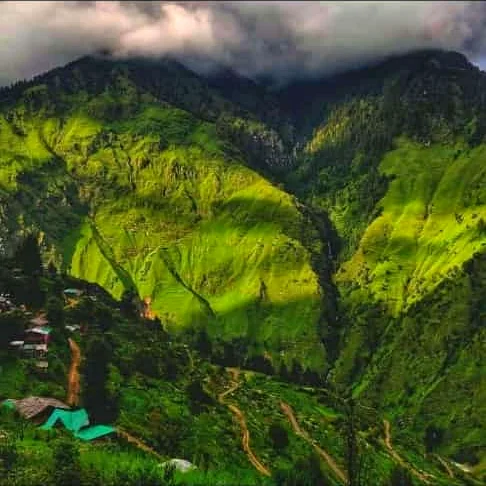
Wildflowers carpet the meadows, the Supin runs full and turquoise. The valley's green soul emerges. Best for photography.
Autumn · Sep – Nov
Golden oak forests and the sharpest, clearest views of the Swargarohini range. Post-monsoon freshness fills every breath.
Travel Mindfully — Preparation & Safety
We don't "conquer" the mountain; we prepare ourselves to be welcomed by it.
Base Layer
Moisture-wicking thermal — keeps you dry as you generate heat on the trail.
Mid Layer
Warm fleece or down jacket — essential at camp, especially in winter.
Outer Shell
Windproof, waterproof hardshell — the Supin valley can be breezy and damp.
- Fitness: If you can enjoy a 5 km walk or climb a few flights of stairs without a second thought, you're ready. A week of light cardio before you arrive is all the prep you need.
- Layering is Key: The valley temperature swings dramatically from day to night. The 3-layer system above will serve you in every season.
- Sustainability: We are guests in the Govind Wildlife Sanctuary. We practice a leave-no-trace philosophy — taking only memories and leaving only footprints.
At 12,000 ft, the altitude is high enough for stunning views, low enough to breathe easy — making Har Ki Dun an excellent first Himalayan adventure. If you experience persistent headache or dizziness, always tell your guide. Our team carries pulse oximeters and first-aid kits on every trek.
Is This Your Next Adventure?
If you're looking for a trek that offers culture over grit and scenery over stress, Har Ki Dun is your destination. It's safe for solo explorers and deeply romantic for couples who want to disconnect from the world and reconnect with each other.
- Want your first Himalayan experience without an extreme challenge
- Are drawn to ancient culture, wooden temples, and village life
- Want a trek that's as much about stillness as it is about movement
- Are traveling as a couple seeking a meaningful shared adventure
- Want genuine wildlife — the sanctuary is home to snow leopards and Himalayan tahr
Essential Gear Checklist
Pack smart, pack light. Everything you need for this trek — nothing you don't.
- Mid-weight fleece / down jacket
- Windproof outer shell
- Thermal base layer (2 sets)
- Quick-dry trek pants
- Gloves (light to mid-weight)
- Buff / neck gaiter
- Trekking boots (ankle support)
- Woollen socks (3–4 pairs)
- Trekking poles (rentable)
- Sleeping bag (–5°C rated)
- Headlamp + spare batteries
- Sunscreen SPF 50+
- Sunglasses (UV400)
- Personal first-aid kit
- Water bottle / hydration pack
- Rain cover for backpack
- Insect repellent (spring/summer)
- Trek snacks & energy bars
Frequently Asked Questions
What is the best time to visit Har Ki Dun?
April–June for wildflower meadows and green valleys. September–November for the clearest skies and sharpest mountain views. Winter (Dec–Feb) is feasible but requires snow gear — the valley transforms completely.
Is Har Ki Dun beginner-friendly?
It is classified Easy–Moderate. The trail gains altitude gradually and there is no steep technical section. First-time trekkers with a basic fitness base find this very manageable with proper guidance.
What is the maximum altitude of Har Ki Dun?
The valley floor sits at around 3,510 m (11,500 ft). Optional extensions can take you higher, but the main trail stays below 4,000 m — making it excellent for those new to high-altitude trekking.
How long is the complete Har Ki Dun trek?
Approximately 52 km round trip over 6 days, starting and ending in Sankri. Daily distances range from 8 to 14 km with gradual elevation changes — tiring, but never overwhelming.
Are there village homestays along the route?
Yes — Gangad and Osla villages offer warm Garhwali homestays. Staying with locals is one of the most memorable parts of this trek and something we actively encourage as part of responsible tourism.
Is a forest permit required?
Yes, Har Ki Dun is within the Govind Pashu Vihar Wildlife Sanctuary and requires an entry permit. We handle all permit paperwork as part of the package — you just bring your ID proof.
How do I reach Sankri base camp?
Dehradun to Sankri is roughly 200 km — an 8–9 hour drive through Nainbagh, Purola, and Mori. We arrange shared or private cabs from Dehradun. The mountain drive itself is stunning.
Can I extend the trek to Ruinsara Tal?
Yes — Ruinsara Tal (alpine lake at 3,900 m) is a beautiful 2-day extension from the Har Ki Dun valley. Let us know when enquiring and we will build it into your itinerary.
Ready to walk the Valley of Gods?
Tell us your dates and group size — we'll send a custom itinerary and transparent pricing within 24 hours.